


"I used to be afraid of writing because I never knew what band I was at. LexiBot gives me a score right after I submit, so I can see exactly where I am and what to work on."

Bao Ngoc
University student
 Powered by AI
Practise Task 1 and Task 2 with Cambridge prompts, real test questions, and predictions — and get an estimated band score the moment you submit.
Task Type
Opinion
Essay
Express your personal viewpoint, agreeing or disagreeing with a given statement.
Discussion
Essay
Discuss both sides of an argument and give your own opinion.
Problem-Solution
Essay
Explore the causes, effects, or propose specific solutions.
Advantage-Disadvantage
Essay
Discuss the advantages and disadvantages of a specific issue.
Two-part / Double Questions
Essay
Analyze and write an essay to answer two questions on the same topic.
Art
Essay
Subtopics: censorship, creativity, funding, education, benefits, galleries, heritage, performance, criticism, museums, exhibitions, culture, expression, restoration, murals, sculpture, public-art, digital-art, appreciation
Business
Essay
Subtopics: globalisation, entrepreneurship, management, leadership, consumerism, technology, family-business, marketing, innovation, small-business, startups, outsourcing, strategy, ethics, branding, productivity, automation, e-commerce, sustainability, investment
Communication
Essay
Subtopics: technology, social-media, long-distance, face-to-face, personality, character, family, language, culture, diversity, media, interpersonal, barriers, digital, nonverbal, email, texting, speaking, listening, privacy
Crime
Essay
Subtopics: punishment, rehabilitation, prisons, capital-punishment, juveniles, policing, crime-prevention, sentencing, reoffending, surveillance, cybercrime, violence, deterrence, probation, drugs, gangs, youth, community, justice
Economics
Essay
Subtopics: globalisation, credit, savings, spending, inequality, inflation, poverty, trade, taxes, debt, unemployment, investment, growth, consumption, outsourcing, markets, consumerism, welfare, aid, borrowing
Education
Essay
Subtopics: technology, homeschooling, curriculum, uniforms, discipline, funding, teachers, subjects, single-sex, assessment, distance-learning, vocational, skills, tuition-fees, classroom, extracurricular, streaming, higher-ed, globalisation, grants
Environment
Essay
Subtopics: climate, recycling, pollution, conservation, biodiversity, renewable, deforestation, waste, sustainability, global-warming, legislation, ecosystems, energy, endangered, emissions, resource-use, habitat, green-energy, wildlife
Family & Children
Essay
Subtopics: discipline, role-models, childcare, education, generation, family-size, parenting, divorce, influence, siblings, upbringing, values, allowance, mobile-use, responsibilities, respect, independence, support, bonding
Food & Diet
Essay
Subtopics: obesity, fast-food, health-diets, tradition, nutrition, education, food-security, organic, processed, convenience, lifestyle, allergies, agriculture, vegetarianism, sustainability, labeling, metabolism, children, cooking
Health
Essay
Subtopics: prevention, treatment, epidemics, funding, education, obesity, hospitals, exercise, stress, mental-health, hygiene, vaccination, healthcare, accessibility, nutrition, insurance, aging, rural-health, universal, wellness
Language
Essay
Subtopics: culture, learning, disappearance, bilingualism, translation, international, communication, regional, preservation, immersion, dialects, heritage, English-only, migration, identity, fluency, proficiency, linguistic, travel
Media & Advertising
Essay
Subtopics: censorship, freedom, children, impact, social-media, methods, technology, reporting, branding, marketing, misinformation, broadcast, regulation, celebrity, journalism, consumerism, privacy, targeting, sensationalism, ethics
Society
Essay
Subtopics: overpopulation, poverty, inequality, homelessness, demographics, multiculturalism, aging, welfare, crime, lifestyle, spending, inclusion, diversity, education, integration, public-services, family-structure, migration
Sport & Fitness
Essay
Subtopics: professionalism, amateurs, salary, equipment, education, doping, health, gender, sponsorship, performance, ethics, youth-sport, leisure, media, schools, infrastructure, accessibility, obesity, teamwork, nationalism
Technology
Essay
Subtopics: internet, AI, privacy, hacking, digital-divide, safety, automation, data-storage, social-media, online-shopping, cybercrime, innovation, robotics, surveillance, connectivity, AI-jobs, e-learning, telemedicine, smart-cities, blockchain
Transport
Essay
Subtopics: infrastructure, public-transport, congestion, safety, environment, innovation, electric-vehicles, roads, aviation, cycling, rail, pollution, regulation, commuting, investment, accessibility, urban-transport, cost, traffic
Travel & Tourism
Essay
Subtopics: culture, globalization, sustainability, economy, leisure, immigration, local-benefits, overtourism, heritage, environment, exchange, hospitality, adventure, safety, infrastructure, experiences, visas, backpacking, authenticity
Work & Employment
Essay
Subtopics: equality, salaries, women, part-time, shift-work, technology, unemployment, automation, self-employment, training, satisfaction, child-labour, work-life, benefits, outsourcing, career-development, remote-work, unions, productivity
Request
Letter
Make a request or inquire about details related to a particular issue.
Complaint
Letter
Complain about an incident, poor service, or unsatisfactory experience.
Apology
Letter
Express an apology for a specific action or event that occurred.
Thank-you
Letter
Express gratitude for help, an invitation, or a kind gesture.
Invitation
Letter
Send an invitation to an event, gathering, or special occasion.
Advice
Letter
Request or provide advice related to a specific real-life circumstance.
Explanation
Letter
Explain the reason behind an action, decision, or incident.
Condolence
Letter
Express condolences and sympathy to someone who has experienced a loss.
Recommendation
Letter
Recommend someone for a job, course, or suggest something helpful.
Home & Accommodation
Letter
Subtopics: bills, complaint, contract, electricity, flatmate, furniture, infestation, landlord, lease, maintenance, neighbor, notice, plumbing, rent, repairs, security, utilities, water, noise, appliance
Education
Letter
Subtopics: admission, assignment, attendance, complaint, course, diploma, exam, feedback, fees, groupwork, internship, lecturer, library, presentation, registration, research, scholarship, timetable, transfer, tutor
Personal & Social
Letter
Subtopics: advice, apology, congratulations, concern, excuse, favor, friendship, gift, help, introduction, invitation, moving, neighbor, plan, recommendation, request, suggestion, thanks, update, visit
Events & Invitations
Letter
Subtopics: anniversary, birthday, celebration, ceremony, dinner, farewell, family, graduation, holiday, housewarming, invitation, meeting, party, reception, reunion, RSVP, speech, surprise, thank-you, wedding
Services & Requests
Letter
Subtopics: assistance, cancellation, complaint, customer, delay, delivery, exchange, malfunction, maintenance, order, payment, product, quality, refund, repair, replacement, review, support, technician, warranty
Travel & Holidays
Letter
Subtopics: accident, airport, booking, cancellation, confirmation, delay, hotel, insurance, itinerary, luggage, passport, payment, refund, reschedule, sightseeing, tourism, transport, visa, complaint, weather
Work
Letter
Subtopics: colleague, complaint, deadline, delay, experience, feedback, internship, job, manager, promotion, relocation, resignation, request, salary, schedule, supervisor, training, transfer, workload, benefits
Cambridge 15 — Test 1
Bar Chart
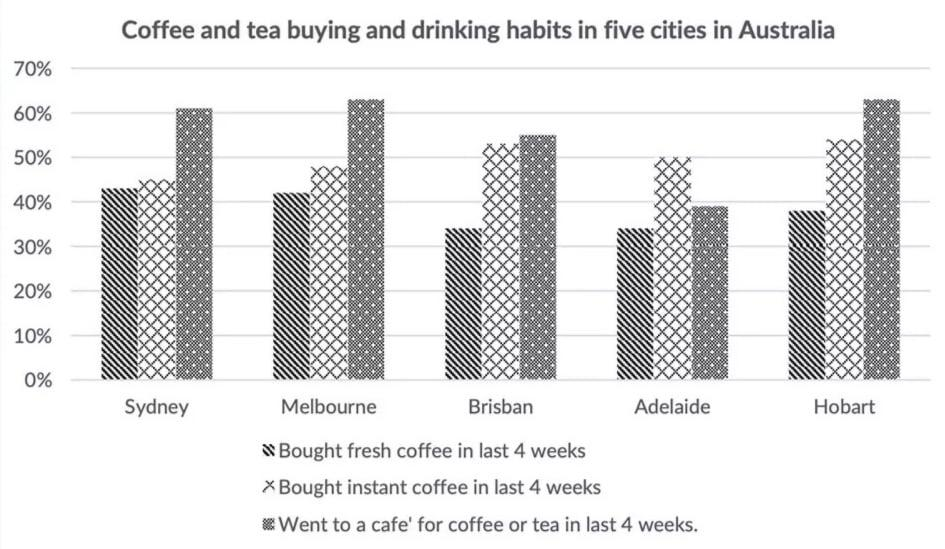
The bar chart below shows coffee and tea buying and drinking habits in five cities in Australia. Summarise the information by selecting and reporting the main features, and make comparisons where relevant.
Cambridge 15 — Test 2
Line Chart
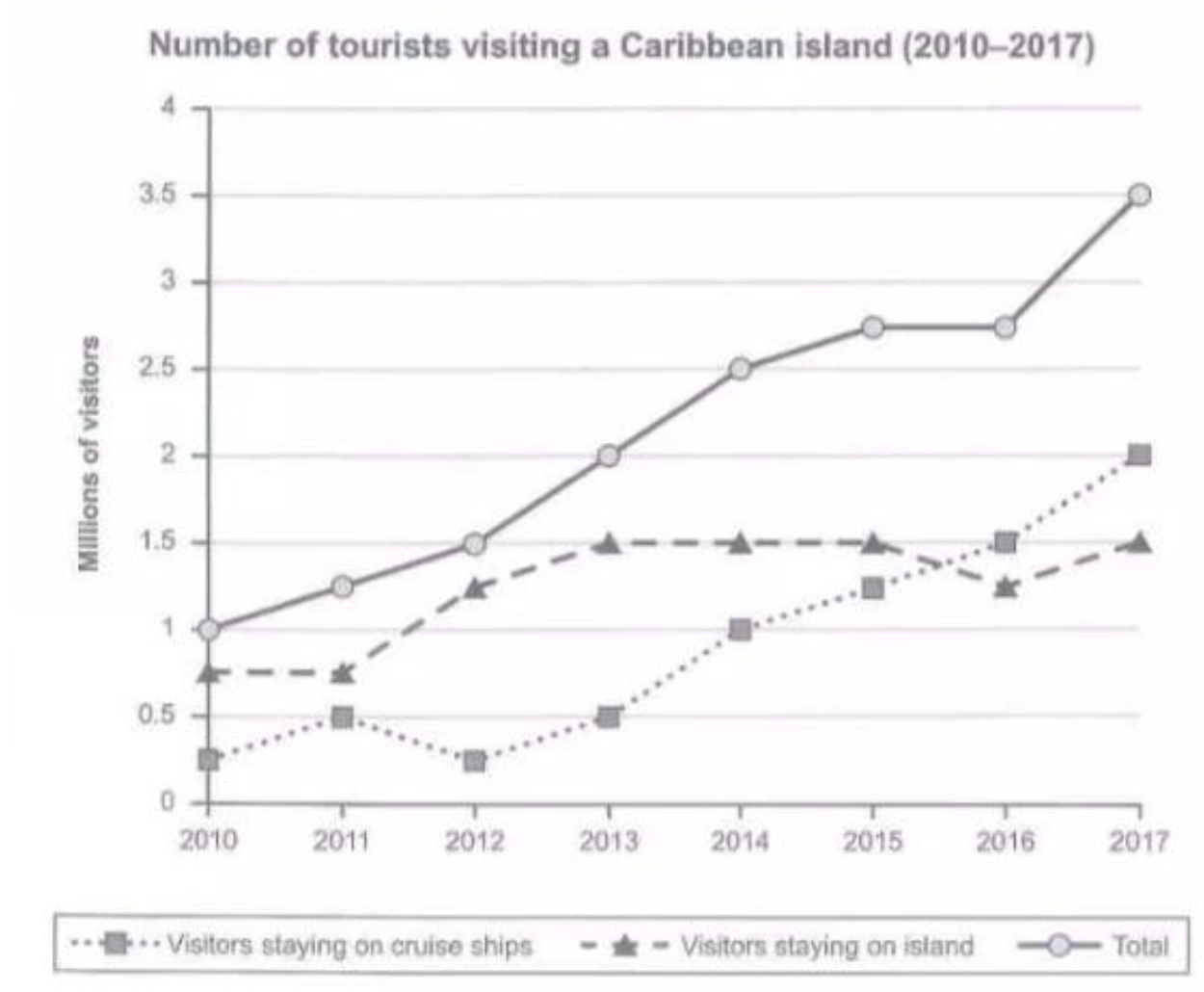
The line graph below shows the number of tourists visiting a Caribbean island from 2010 to 2017. Summarise the information by selecting and reporting the main features, and make comparisons where relevant.
Cambridge 15 — Test 3
Process
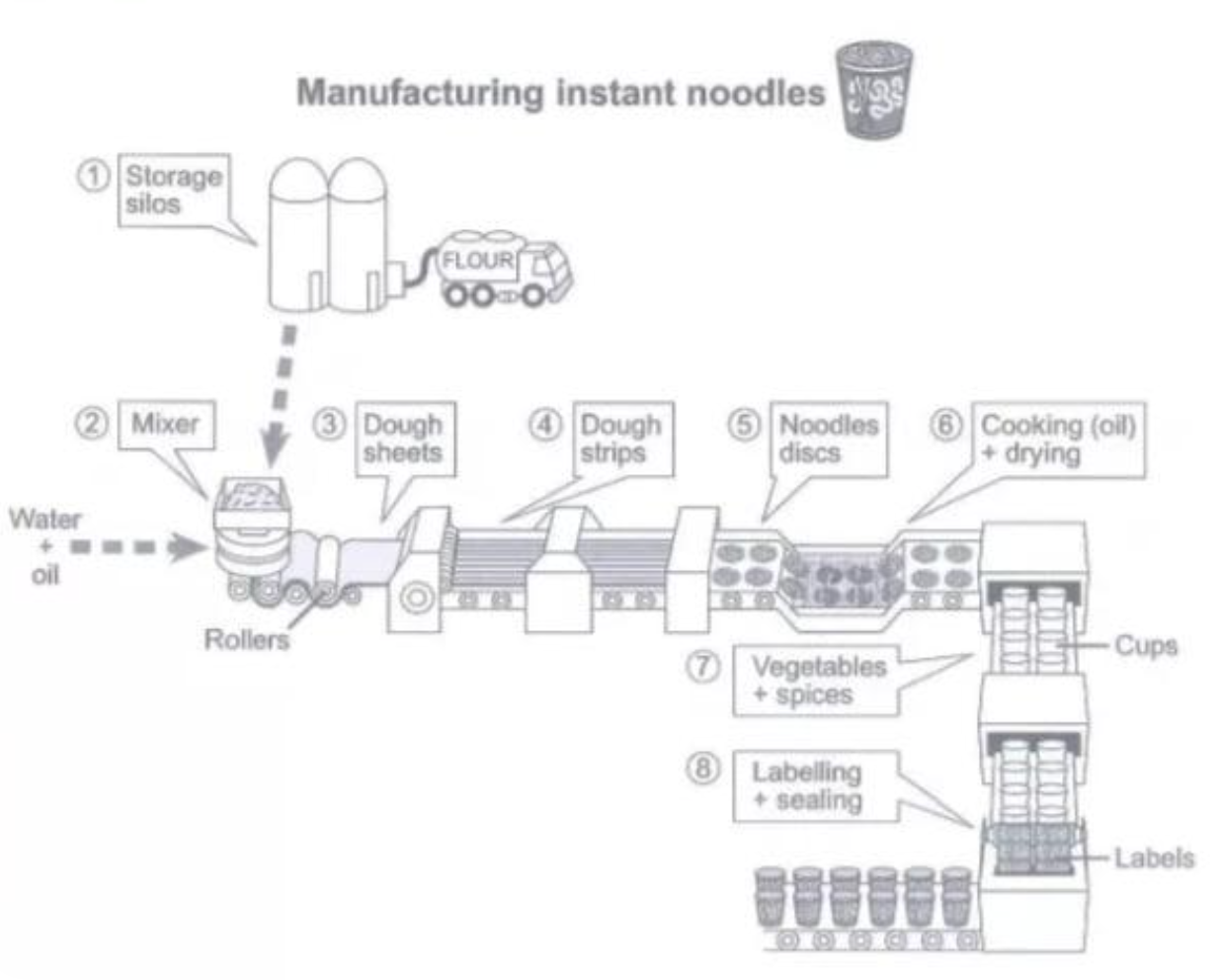
The diagram below shows how instant noodles are manufactured. Summarise the information by selecting and reporting the main features, and make comparisons where relevant.
Cambridge 15 — Test 4
Mixed Data
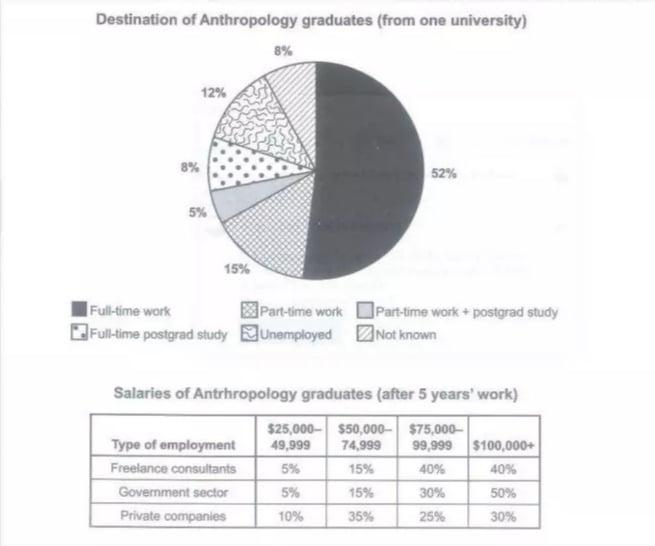
The pie chart below shows the destination of anthropology graduates from one university, and the table shows the salaries of those graduates after five years of work. Summarise the information by selecting and reporting the main features, and make comparisons where relevant.
Cambridge 15 — Test 1
Essay
In some countries, owning a home rather than renting one is very important for people. Why might this be the case? Do you think this is a positive or negative situation?
Cambridge 15 — Test 2
Essay
In the future, nobody will buy printed newspapers or books because they will be able to read everything they want online without paying. To what extent do you agree or disagree with this statement?
Cambridge 15 — Test 3
Essay
Some people say that advertising is extremely successful at persuading us to buy things. Other people think that advertising is so common that we no longer pay attention to it. Discuss both these views and give your own opinion.
Cambridge 15 — Test 4
Essay
In some cultures, children are often told that they can achieve anything if they try hard enough. What are the advantages and disadvantages of giving children this message?
Cambridge 16 — Test 1
Multiple Charts
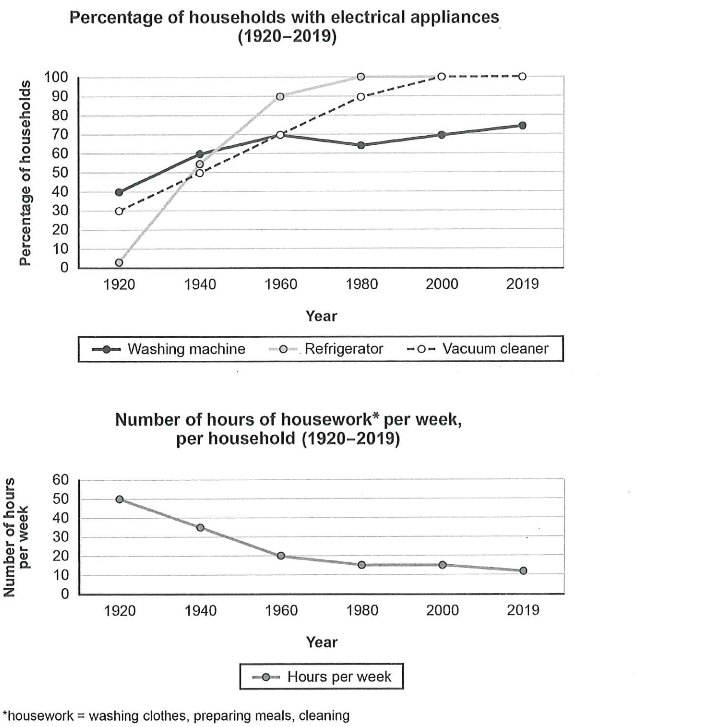
The charts below show the percentage of households with electrical appliances and the number of hours of housework per week, per household, in one country between 1920 and 2019. Summarise the information by selecting and reporting the main features, and make comparisons where relevant.
Cambridge 16 — Test 2
Process
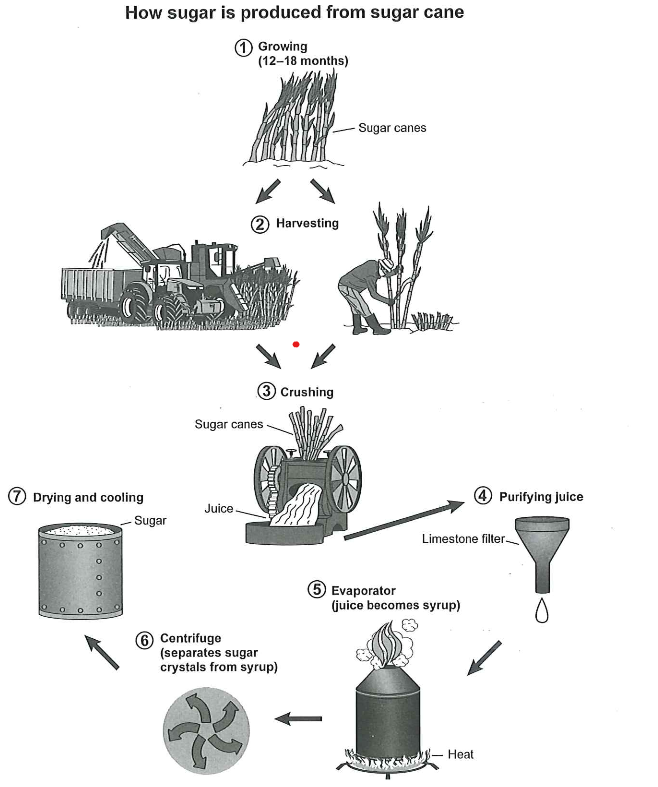
The diagram below shows how sugar is produced from sugar cane. Summarise the information by selecting and reporting the main features, and make comparisons where relevant.
Cambridge 16 — Test 3
Map
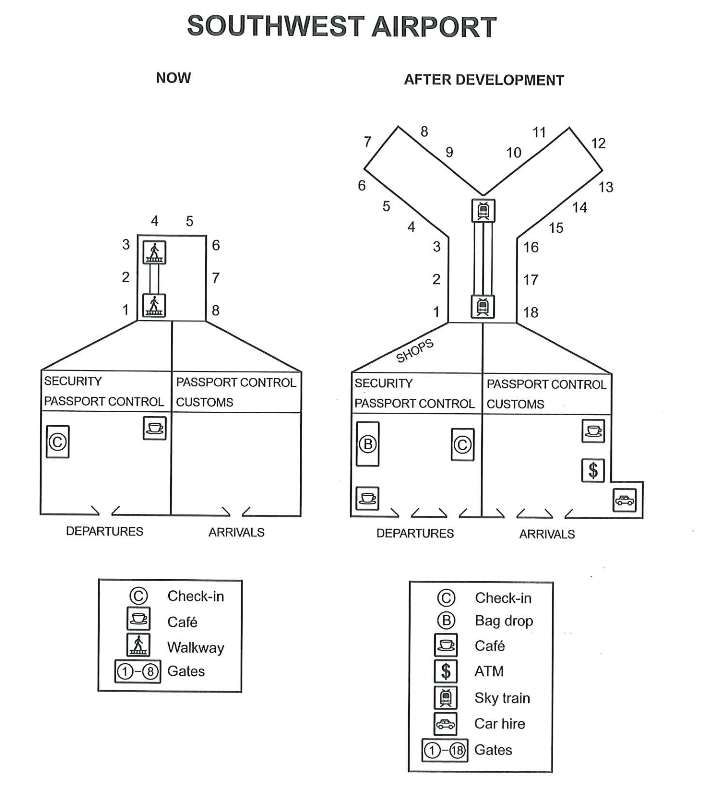
The maps below show Southwest Airport now and how it will look after development. Summarise the information by selecting and reporting the main features, and make comparisons where relevant.
Cambridge 16 — Test 4
Process
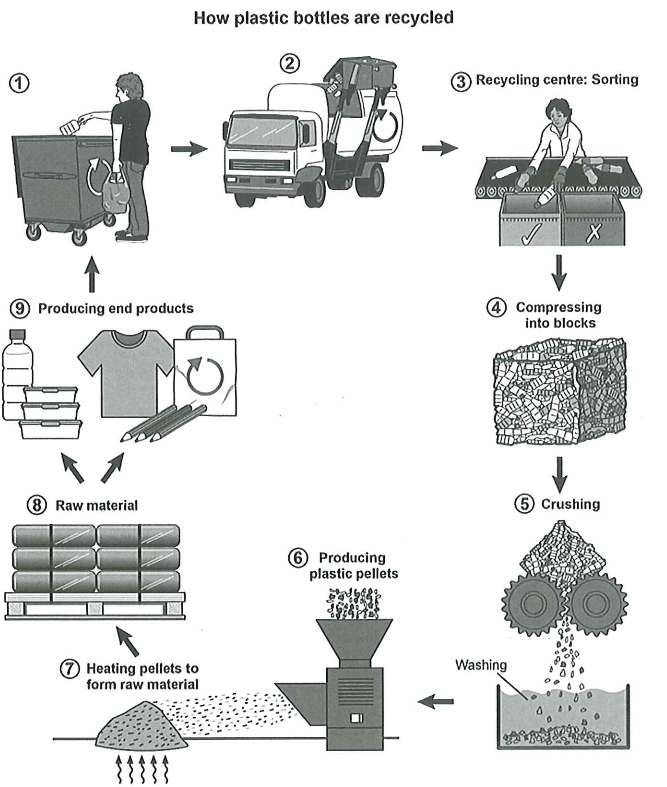
The diagram below shows how plastic bottles are recycled. Summarise the information by selecting and reporting the main features, and make comparisons where relevant.
Cambridge 16 — Test 1
Essay
In the future all cars, buses and trucks will be driverless. The only people travelling inside these vehicles will be passengers. Do you think the advantages of driverless vehicles outweigh the disadvantages?
Cambridge 16 — Test 2
Essay
In numerous nations, more and more people are intrigued in the idea of researching the history or past of the place where they now live. Why is this? What can people do to do this research?
Cambridge 16 — Test 3
Essay
Many manufactured food and drink products contain high levels of sugar, which causes many health problems. Sugary products should be made more expensive to encourage people to consume less sugar. Do you agree or disagree?
Cambridge 16 — Test 4
Essay
In their advertising, businesses nowadays usually emphasise that their products are new in some way. Why is this? Do you think it is a positive or negative development?
Cambridge 17 — Test 1
Map
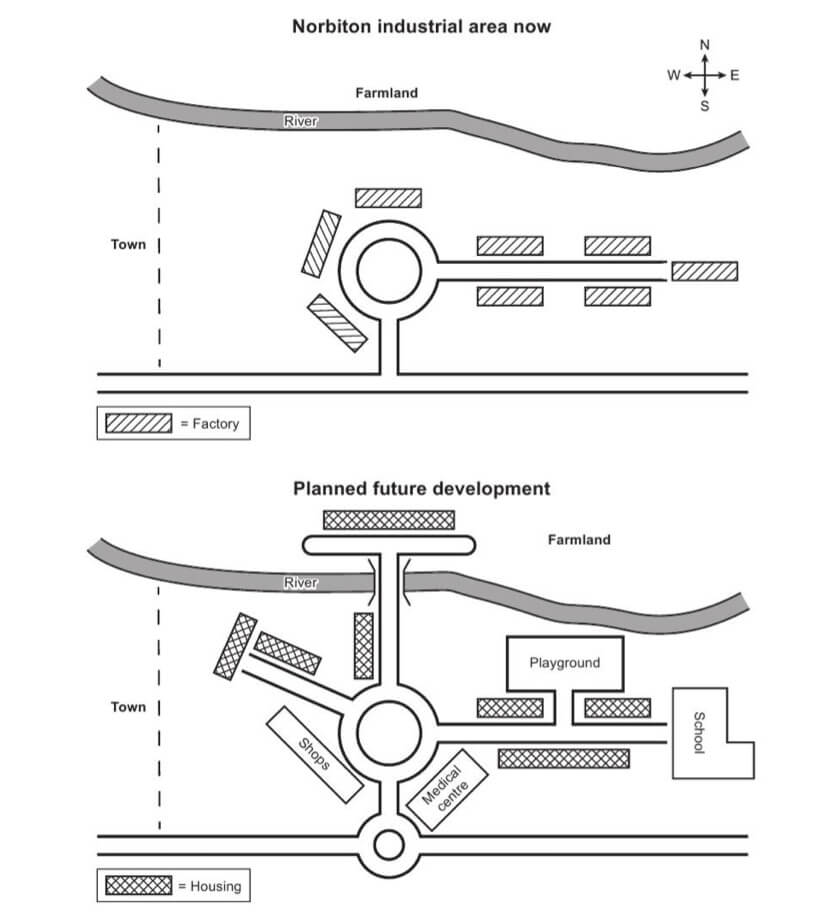
The maps below show an industrial area in the town of Norbiton, and planned future development of the site. Summarise the information by selecting and reporting the main features, and make comparisons where relevant.
Cambridge 17 — Test 2
Mixed Data
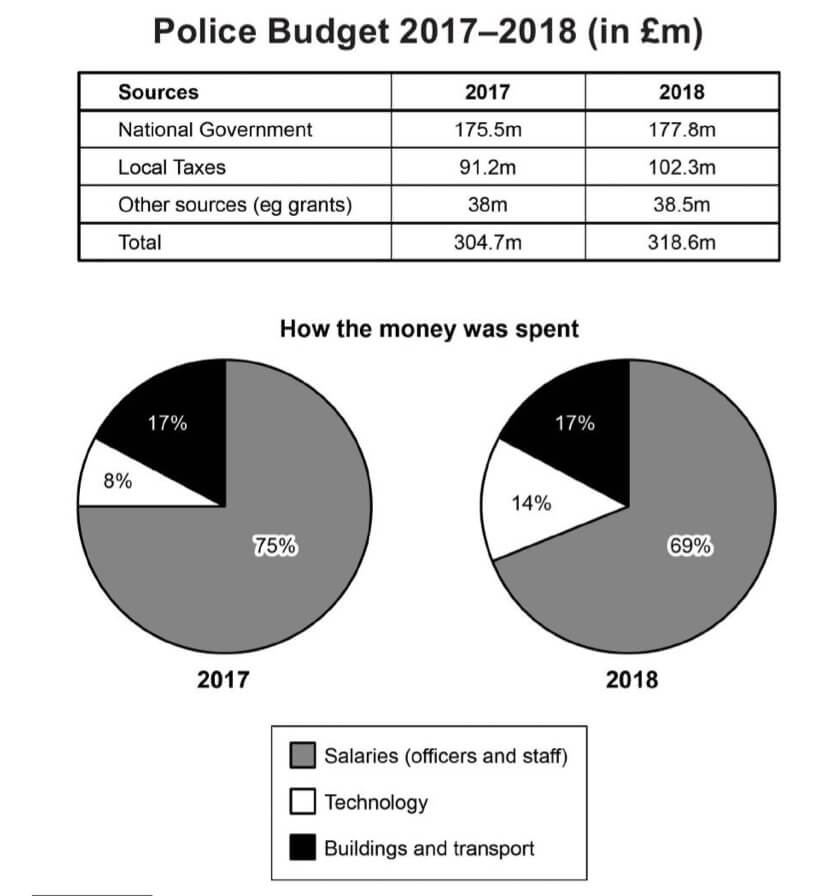
The table and charts below give information on the police budget for 2017 and 2018 in one area of Britain. The table shows where the money came from and the charts show how it was distributed. Summarise the information by selecting and reporting the main features, and make comparisons where relevant.
Cambridge 17 — Test 3
Bar Chart
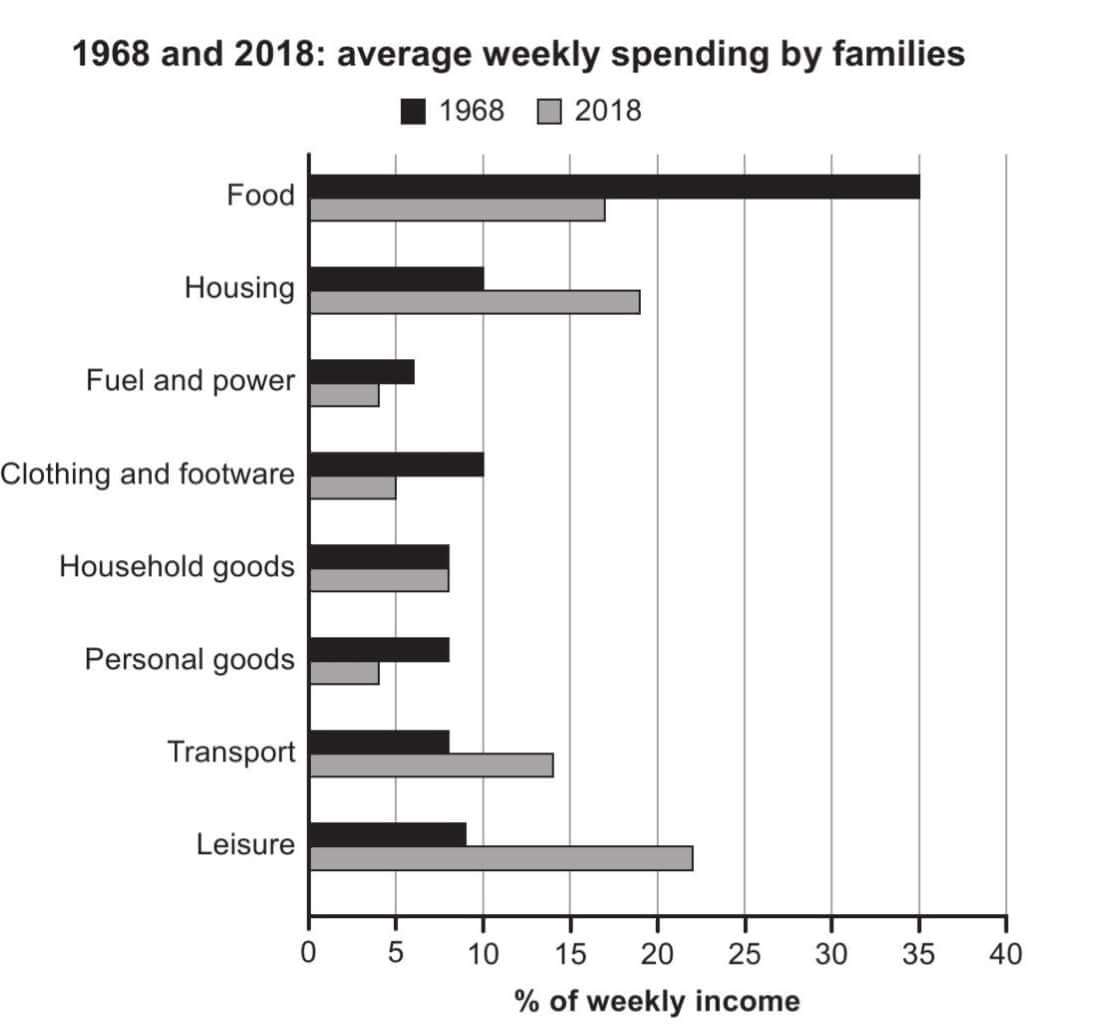
The chart below gives information about how families in one country spent their weekly income in 1968 and in 2018. Summarise the information by selecting and reporting the main features, and make comparisons where relevant.
Cambridge 17 — Test 4
Line Chart
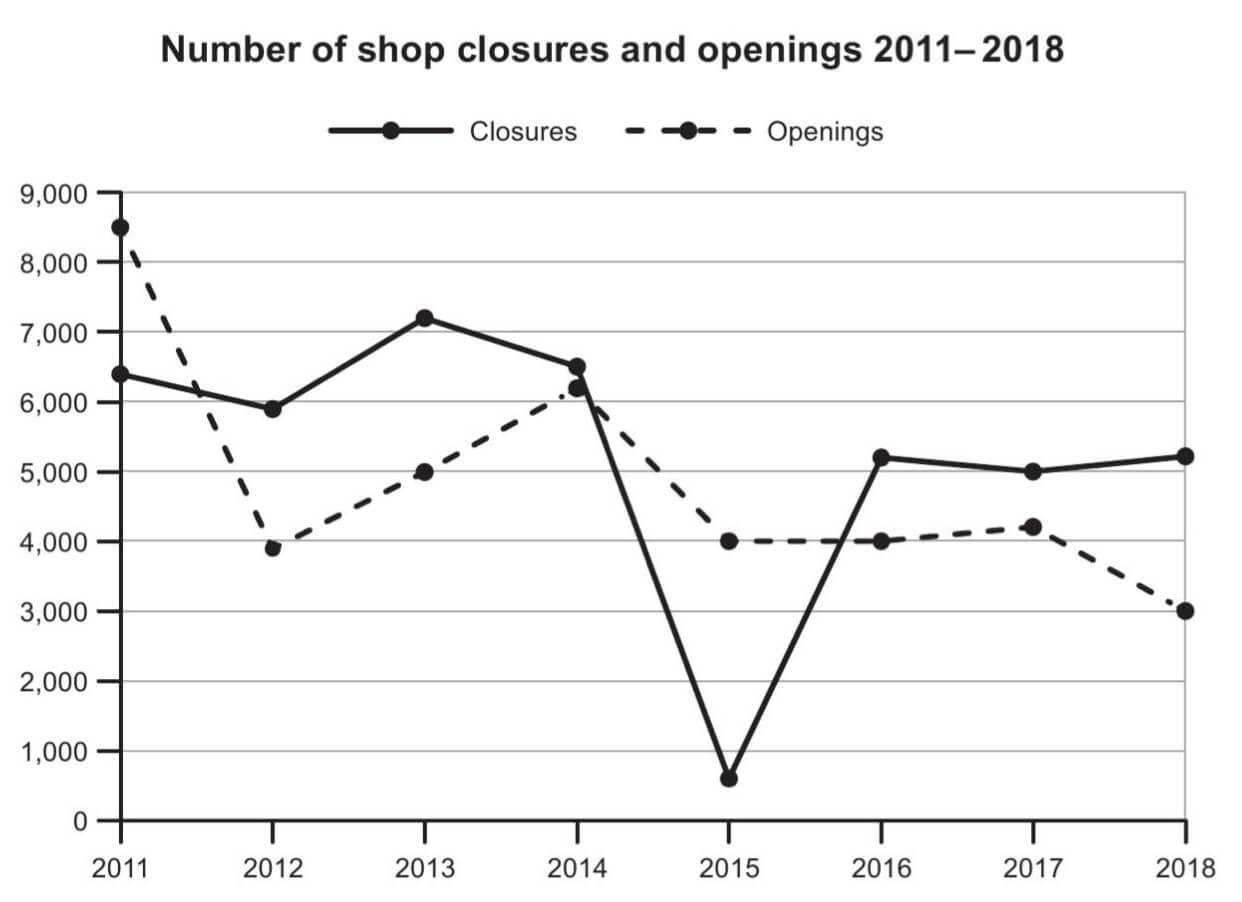
The graph below shows the number of shops that closed and the number of new shops that opened in one country between 2011 and 2018. Summarise the information by selecting and reporting the main features, and make comparisons where relevant.
Cambridge 18 — Test 1
Line Chart
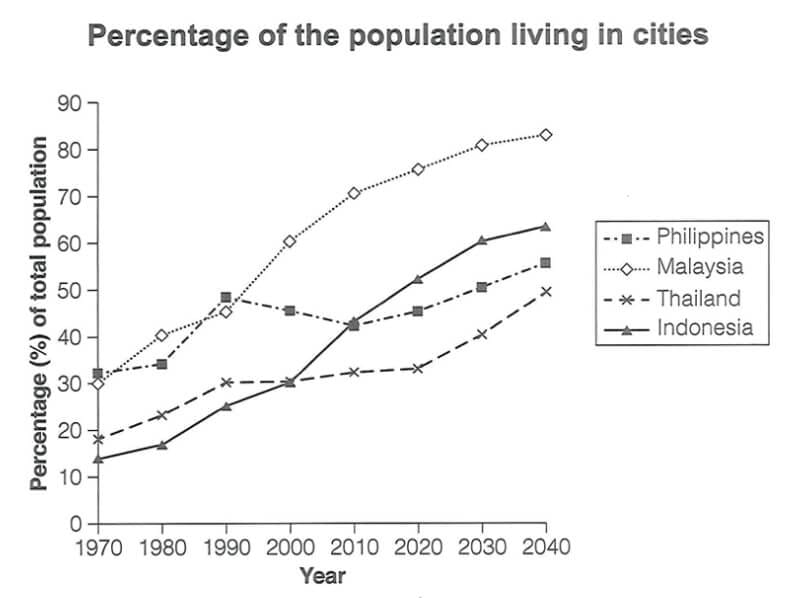
The graph below gives information about the percentage of the population in four Asian countries living in cities from 1970 to 2020, with predictions for 2030 and 2040. Summarise the information by selecting and reporting the main features, and make comparisons where relevant.
Cambridge 18 — Test 2
Bar Chart
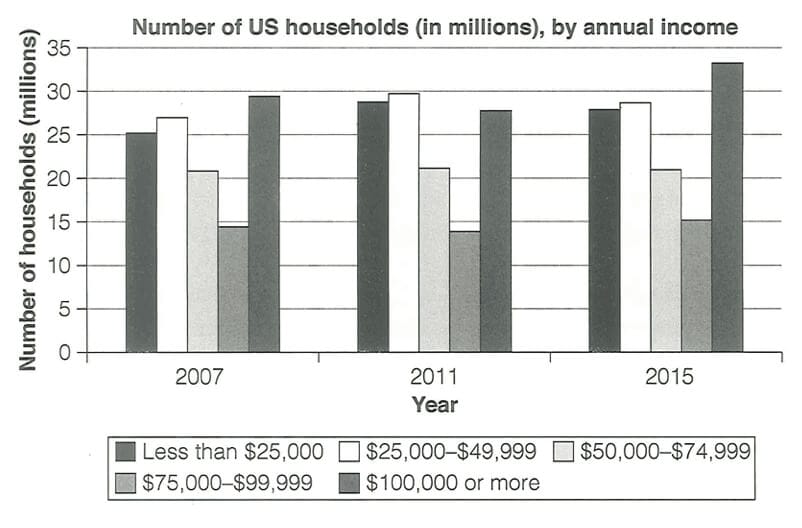
The chart below shows the number of households in the US by their annual � income in 2007, 2011 and 2015. Summarise the information by selecting and reporting the main features, and make comparisons where relevant.
Cambridge 18 — Test 3
Map
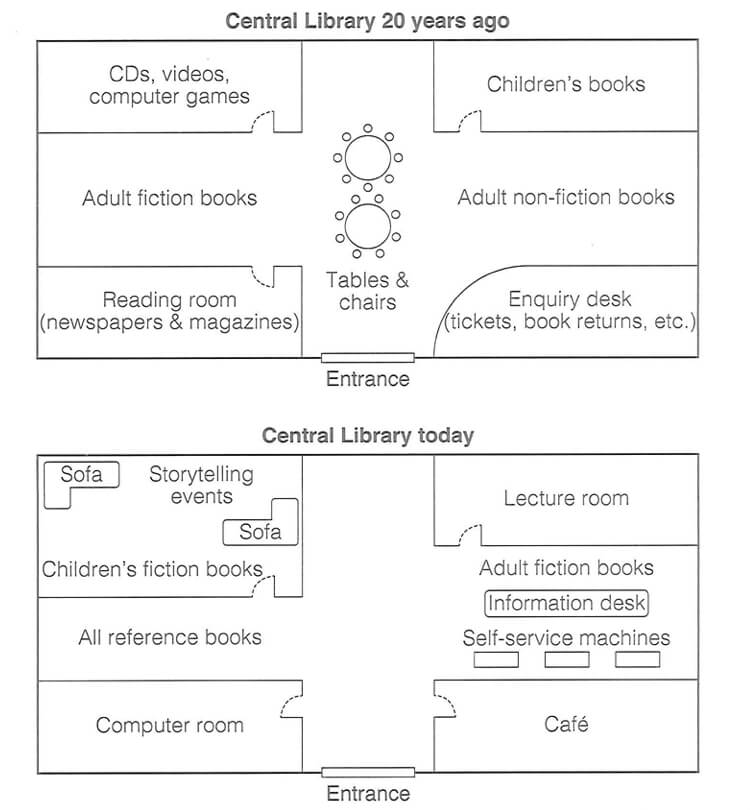
The diagram below shows the floor plan of a public library 20 years ago and how it looks now. Summarise the information by selecting and reporting the main features, and make comparisons where relevant.
Cambridge 18 — Test 4
Line Chart
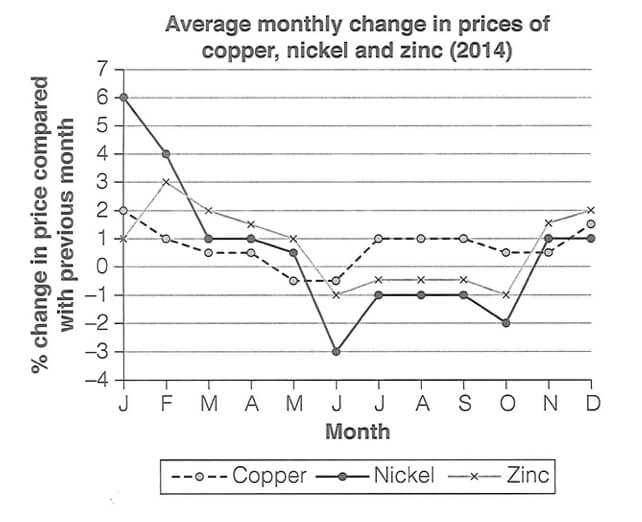
The graph below shows the average monthly change in the prices of three metals during 2014. Summarise the information by selecting and reporting the main features, and make comparisons where relevant.
Cambridge 19 — Test 1
Line Chart
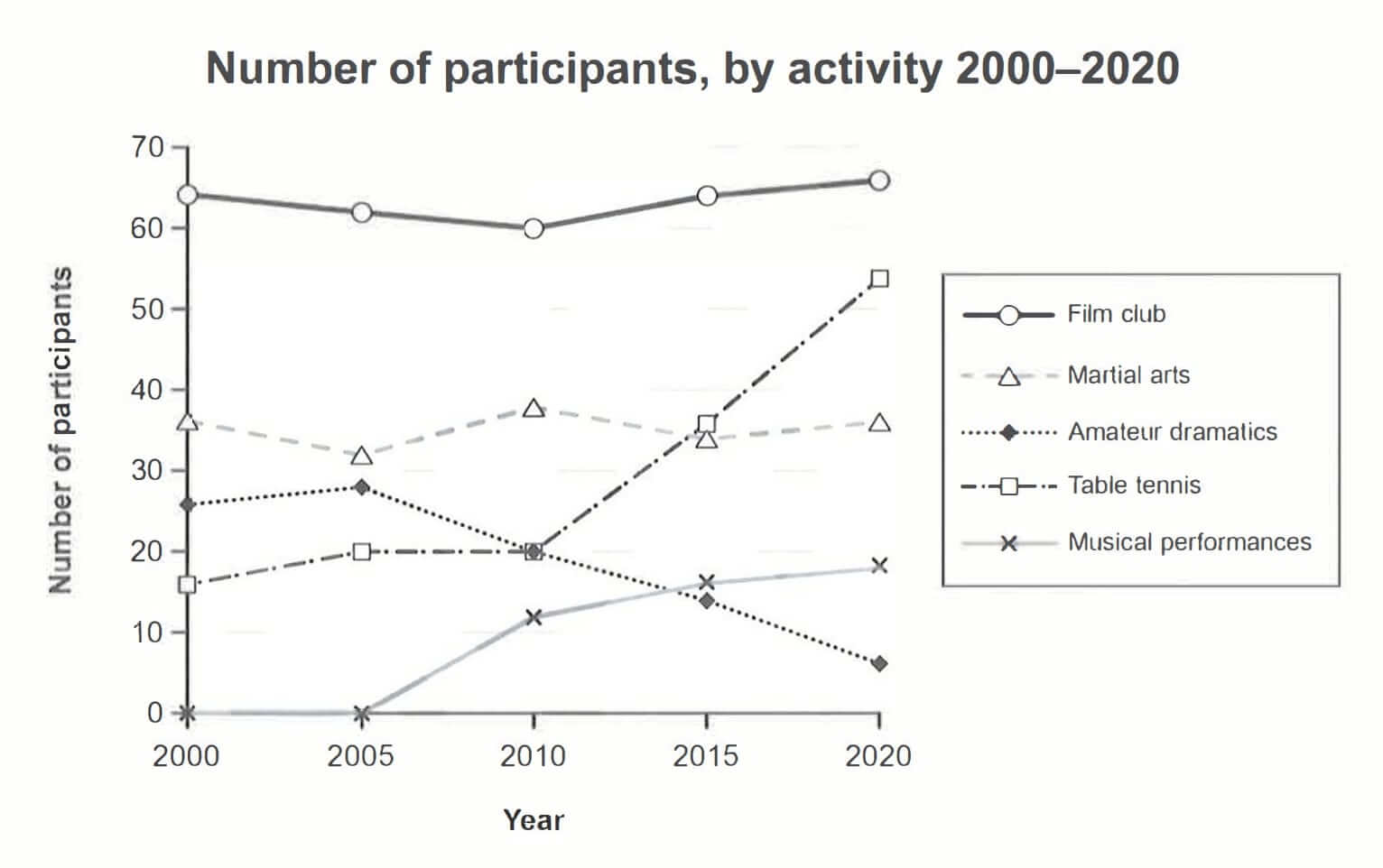
The graph below gives information on the numbers of participants for different activities at one social centre in Melbourne, Australia for the period 2000 to 2020. Summarise the information by selecting and reporting the main features, and make comparisons where relevant.
Cambridge 19 — Test 2
Map
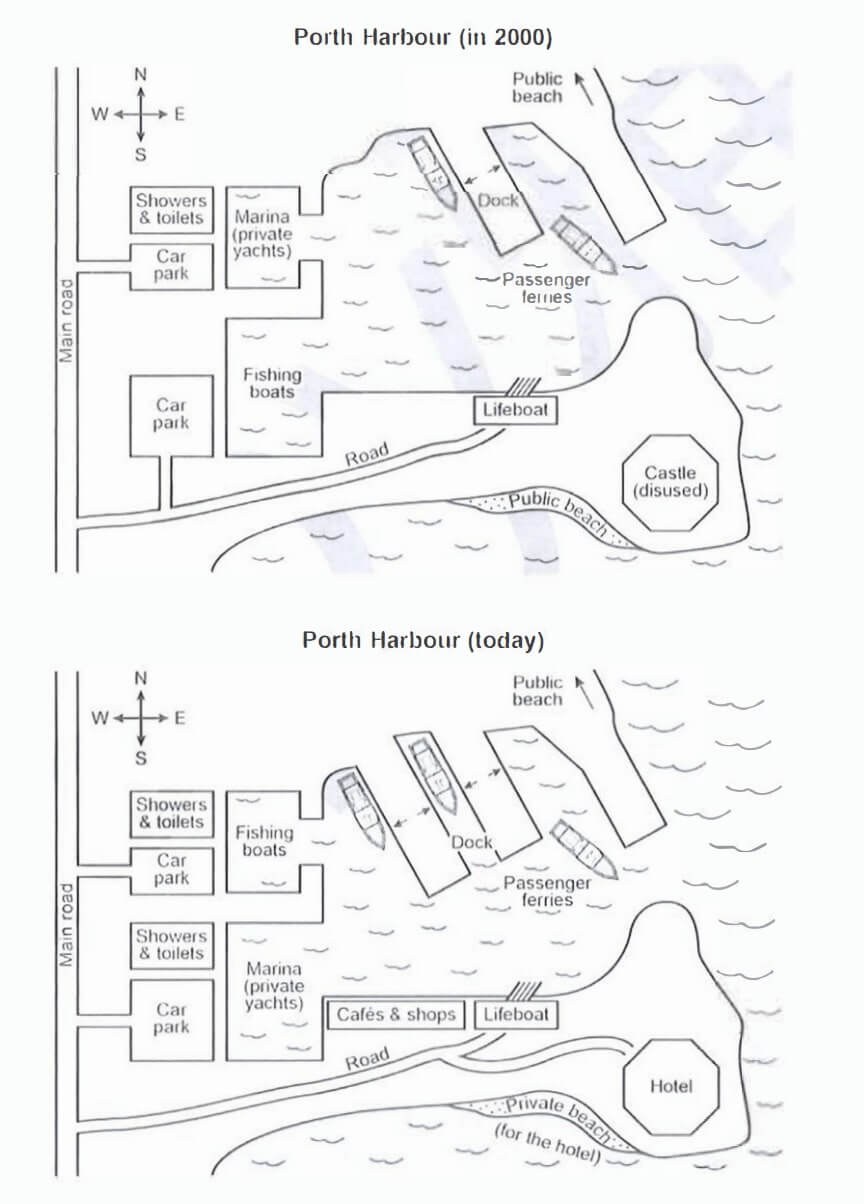
The plans below show a harbour in 2000 and how it looks today. Summarise the information by selecting and reporting the main features, and make comparisons where relevant.
Cambridge 19 — Test 3
Process
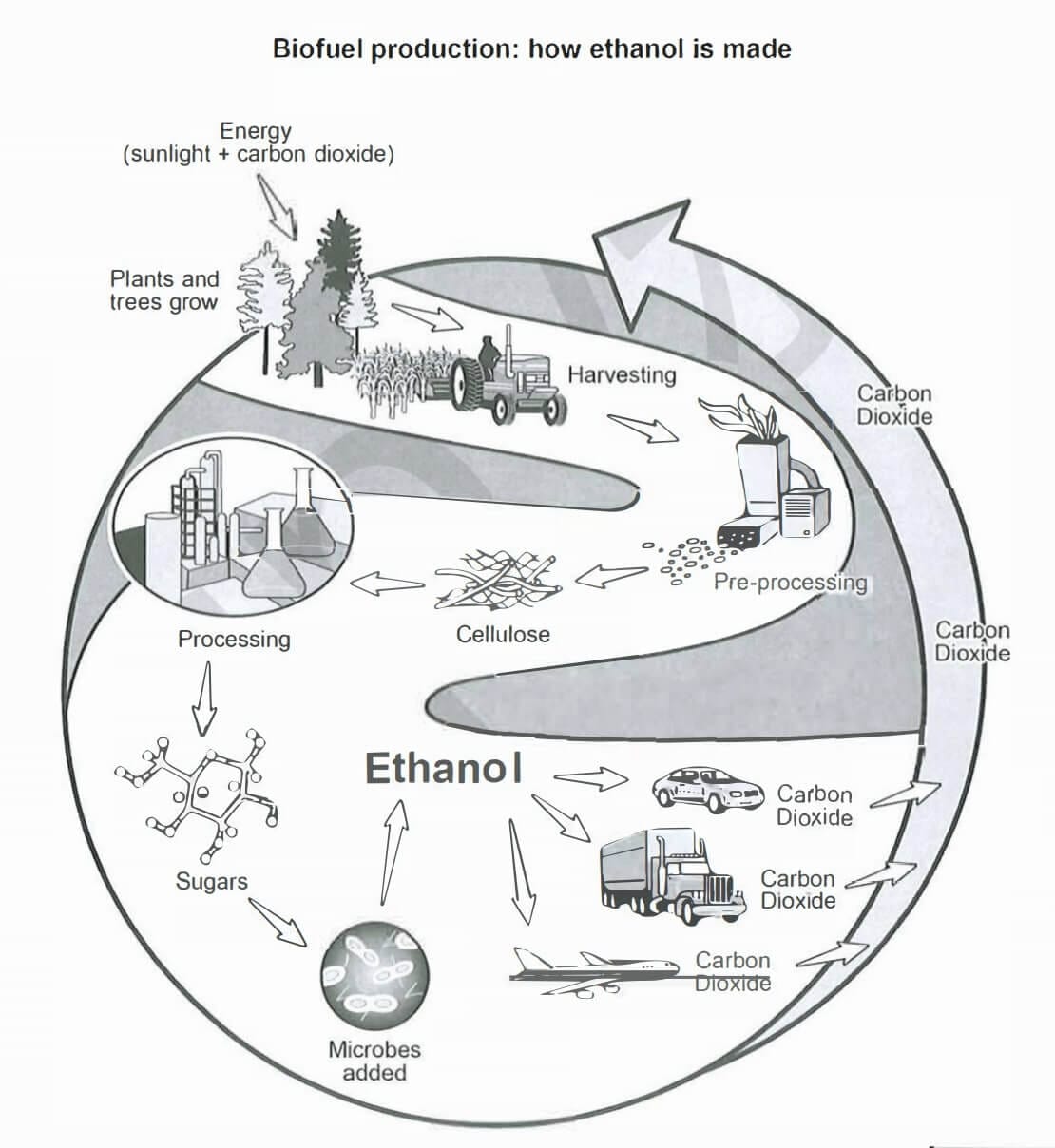
The diagram below shows how a biofuel called ethanol is produced. Summarise the information by selecting and reporting the main features, and make comparisons where relevant.
Cambridge 19 — Test 4
Multiple Charts
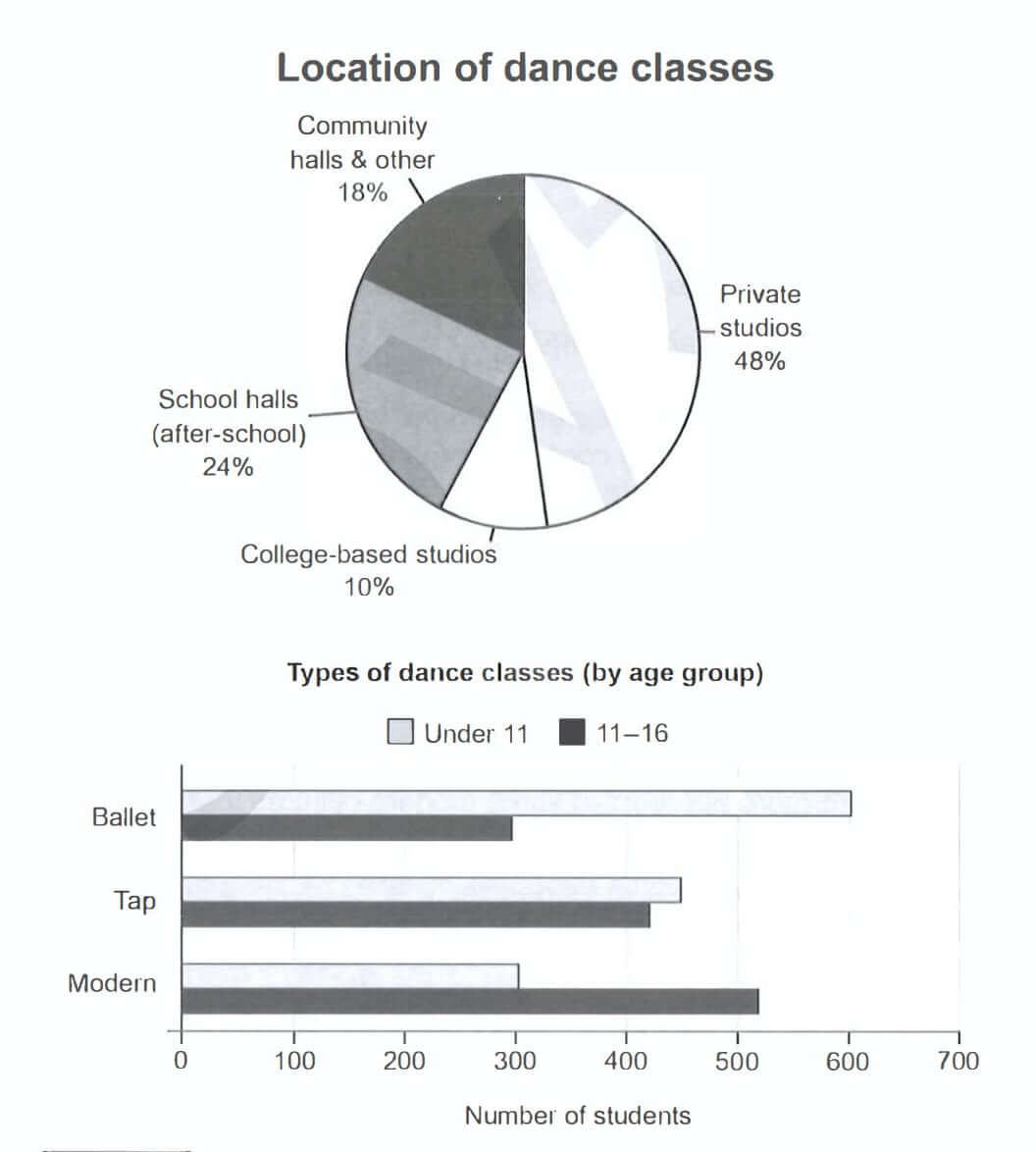
The charts below give information on the location and types of dance classes young people in a town in Australia are currently attending. Summarise the information by selecting and reporting the main features, and make comparisons where relevant.
Cambridge 20 — Test 1
Table
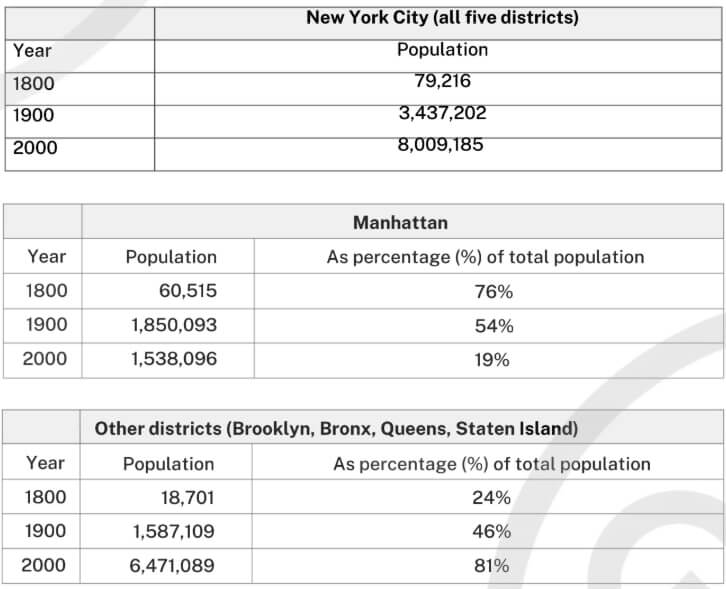
The first table below shows changes in the total population of New York City from 1800 to 2000. The second and third tables show changes in the population of the five districts of the city (Manhattan, Brooklyn, Bronx, Queens, Staten Island) over the same period. Summarise the information by selecting and reporting the main features, and make comparisons where relevant.
Cambridge 20 — Test 2
Map
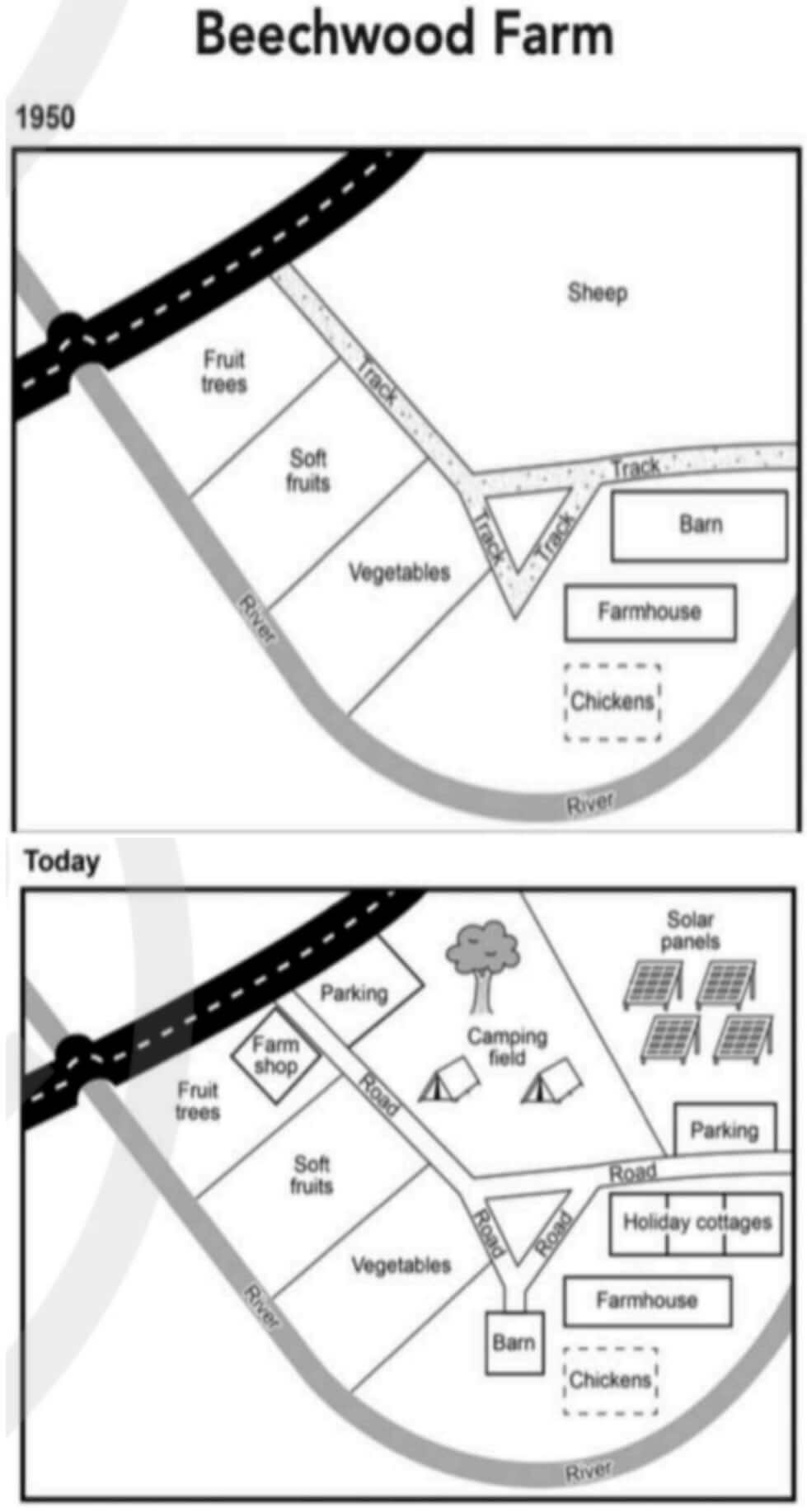
The plans below show the site of a farm in 1950 and the same site today. Summarise the information by selecting and reporting the main features, and make comparisons where relevant.
Cambridge 20 — Test 3
Multiple Charts
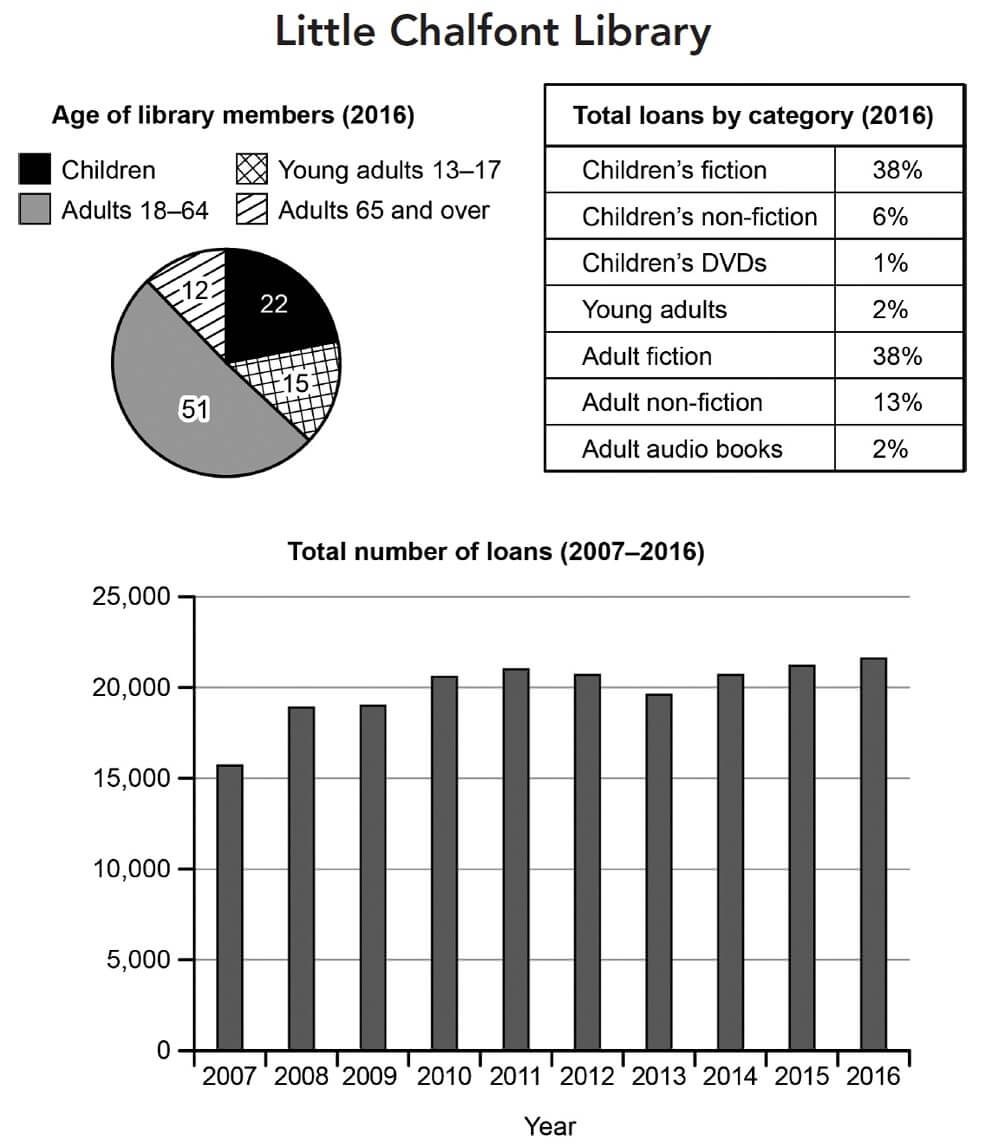
The charts below give information about a public library in a town called Little Chalfont. Summarise the information by selecting and reporting the main features, and make comparisons where relevant.
Cambridge 20 — Test 4
Process
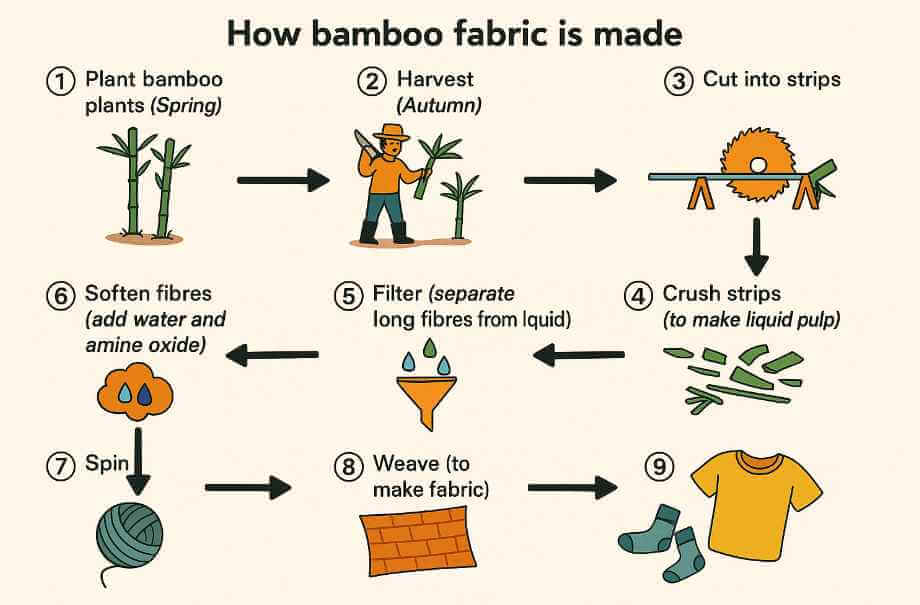
The diagram below shows how fabric is manufactured from bamboo. Summarise the information by selecting and reporting the main features, and make comparisons where relevant.
Cambridge 17 — Test 1
Essay
It is important for people to take risks, both in their professional lives and their personal lives. Do you agree or disagree with this statement?
Cambridge 17 — Test 2
Essay
Some children spend hours every day on their smartphones. Why is this the case? Do you think this is a positive or a negative development?
Cambridge 17 — Test 3
Essay
Some people believe that professionals, such as doctors and engineers, should be required to work in the country where they did their training. Others believe they should be free to work in another country if they wish. Discuss both these views and give your own opinion.
Cambridge 17 — Test 4
Essay
Nowadays, a growing number of people with health problems are trying alternative medicines and treatments instead of visiting their usual doctor. Do you think this is a positive or a negative development?
Cambridge 18 — Test 1
Essay
The most important aim of science should be to improve people's lives. To what extent do you agree or disagree with this statement?
Cambridge 18 — Test 2
Essay
Some university students want to learn about other subjects in addition to their main subjects. Others believe it is more important to give all their time and attention to studying for a qualification. Discuss both these views and give your own opinion.
Cambridge 18 — Test 3
Essay
In many countries around the world, rural people are moving to cities, so the population in the countryside is decreasing. Do you think this is a positive or a negative development?
Cambridge 18 — Test 4
Essay
In many countries, people are now living longer than ever before. Some people say an ageing population creates problems for governments. Other people think there are benefits if society has more elderly people. To what extent do the advantages outweigh the disadvantages?
Cambridge 19 — Test 1
Essay
Some people think that competition at work, at school and in daily life is a good thing. Others believe that we should try to cooperate more, rather than competing against each other. Discuss both these views and give your own opinion.
Cambridge 19 — Test 2
Essay
The working week should be shorter and workers should have a longer weekend. Do you agree or disagree with this statement?
Cambridge 19 — Test 3
Essay
It is important for everyone, including young people, to save money for their future. To what extent do you agree or disagree with this statement?
Cambridge 19 — Test 4
Essay
In many countries nowadays, consumers can go to a supermarket and buy food produced all over the world. Do you think this is a positive or negative development?
Cambridge 20 — Test 1
Essay
Access to clean water is a basic human right. Therefore every home should have a water supply that is provided free of charge. Do you agree or disagree with this statement?
Cambridge 20 — Test 2
Essay
In many countries, there is growing concern about the effects of screen time on children. What problems can this cause, and what solutions might be effective?
Cambridge 20 — Test 3
Essay
Some people have decided to reduce the number of times they fly every year or to stop flying altogether. Do you think the environmental benefits of this development outweigh the disadvantages for individuals and businesses?
Cambridge 20 — Test 4
Essay
Many aspects of the way people dress today are influenced by global fashion trends. How has global fashion become such a strong influence on people's lives? Do you think this is a positive or negative development?
Cambridge 15 GT - Test 1
Letter
A friend of yours is thinking of going on a camping holiday for the first time this summer. He/She has asked for your advice. Write a letter to your friend. In your letter: Explain why you think your friend would enjoy a camping holiday Describe some possible disadvantages Say whether you would like to go camping with your friend this summer
Cambridge 15 GT - Test 2
Letter
A museum near your home is looking for people to do part-time voluntary/unpaid work. You would like to do some voluntary / unpaid work at the museum. Write a letter to the museum director to apply for the voluntary/unpaid work. In your letter Explain why you want to do voluntary/unpaid work at the museum Describe some skills and qualities you have that would be useful Give details of when you would be available for work
Cambridge 15 GT - Test 3
Letter
A friend of yours is thinking about applying for the same course that you did at university. He/She has asked for your advice about studying this subject. Write a letter to your friend. In your letter: Give details of the course you took at the university Explain why you recommend the university Give some advice about how to apply
Cambridge 15 GT - Test 4
Letter
You have seen an advertisement from a couple, who live in Australia, for someone to teach their two children your language for a year. Write a letter to the couple. In your letter Explain why you think you would be suitable for the job Say what else you could do for the family Give your reasons for wanting the job
Cambridge 16 GT - Test 1
Letter
Mrs Barrett, an English-speaking woman who lives in your town, has advertised for someone to help her in her home for a few hours a day next summer. Write a letter to Mrs Barrett. In your letter: Suggest how you could help her in her home Say why you would like to do this work Explain when you will and will not be available
Cambridge 16 GT - Test 2
Letter
You have just read an article in a national newspaper which claims that town centres in your country all look very similar to each other. You don't fully agree with this opinion. Write a letter to the editor of the newspaper. In your letter: Say which points in the article you agree with Explain ways in which your town centre is different from most other town centres Offer to give a guided tour of your town to the writer of the article
Cambridge 16 GT - Test 3
Letter
A magazine wants to include contributions from its readers for an article called 'The book that influenced me most'. Write a letter to the editor of the magazine about the book that influenced you most. In your letter Describe what this book was about Explain how this book influenced you Say whether this book would be likely to influence other people
Cambridge 16 GT - Test 4
Letter
Your friend has been offered a place on a course at the university where you studied. He/She would like your advice about finding a place to live. Write an email to your friend. In your email: Describe where you lived when you were a student at the university Recommend the best way for him/her to look for accommodation Warn him/her of mistakes students make when choosing accommodation
Cambridge 17 GT - Test 1
Letter
Your English-speaking friend who lives in your town has asked for your advice about learning a new sport. Write an email to you friend. In your email: Recommend a new sport that would be suitable for your friend to learn Explain how your friend could learn this sport Suggest that you learn this sport together.
Cambridge 17 GT - Test 2
Letter
The parents of your Australian friend Chris have invited you to surprise birthday party for him/her. Write a letter to Chris parents . In your letter: Say why you think Chris will enjoy the surprise party Explain why you won't be able to attend the party Give details of plan to see Chris at a different time
Cambridge 17 GT - Test 3
Letter
You recently booked a part-time course at a college. You now need to cancel your booking. Write a letter to the college administrator. In your letter: Say which part-time course you booked Explain why you need to cancel your booking Ask about booking a different course
Cambridge 17 GT - Test 4
Letter
You have bought some clothing online and are not satisfied with your purchase. Write an email to the company that you bought the clothing from. In your email: Give details of the purchase Describe the problem Explain why you need a replacement urgently
Cambridge 18 GT - Test 1
Letter
Your English-speaking friend has asked for your help with a college project he/she is doing about celebrating New Year in different countries. Write a letter to your friend. In your letter: Say how important New Year is to people in your country Describe how New Year is celebrated in your country Explain what you like about New Year celebrations in your country
Cambridge 18 GT - Test 2
Letter
You are soon going to spend three months doing work experience in an organisation. Write a letter to the manager of the organisation where you are going to do work experience. In your letter: Thank the manager for the opportunity to do work experience Explain what you hope to learn from the work experience Ask some questions about the work experience you are going to do
Cambridge 18 GT - Test 3
Letter
You recently bought some train tickets for a journey a week in advance. When you went to the station to catch the train, you were told you could not use the tickets and the staff were very unhelpful to you. Write a letter to the train company. In your letter: Describe the problem you had with the tickets Say why were unhappy with the staff Suggest what action the train company should take
Cambridge 18 GT - Test 4
Letter
You recently attended a training course for your work. Your employer has asked you for your feedback on the training course. Write a letter to your employe. In your letter: Remind your employer what the course was about Explain why the course was useful to you in your work Suggest why the course may not be suitable for some of your other colleagues
Cambridge 19 GT - Test 1
Letter
You would like to reduce your working hours in order to study part time. Write a letter to your boss. In your letter • explain why you want to reduce your working hours • say which hours you would like to work • describe how your part-time studies would benefit your employer Begin your letter as follows: Dear ...,
Cambridge 19 GT - Test 2
Letter
You are a member of an International Students' club. The club is organising an event to celebrate popular food from around the world. Write a letter to the event organiser, Luis. In your letter • offer to make a popular dish from your country • describe what this dish is • explain why it should be included in the event Begin your letter as follows: Dear Luis,
Cambridge 19 GT - Test 3
Letter
Five months ago, you started renting an apartment on a six-month agreement. You now wish to stay in the apartment for longer than the six months you originally agreed with the owner. Write a letter to the owner of your apartment. In your letter: Say how long you now want to rent the apartment for Explain why your plans have changed Tell the owner about a problem in the apartment Begin your letter as follows: Dear ...,
Cambridge 19 GT - Test 4
Letter
You started in your present job two years ago. You now feel it is important for your career development to move to a different department in the same company. Write a letter to your manager. In your letter: • say what you have learned in your present job • suggest how the company would benefit from moving you to a different department • explain why you do not wish to leave the company Begin your letter as follows: Dear ……………………,
Cambridge 20 GT - Test 1
Letter
It is ten years since you left college. You'd like to organise an event to celebrate this anniversary with all your friends and classmates from college. Write a letter to one of your college friends. In your letter • say what kind of celebration event you'd like to organise • explain why you think it would be good to celebrate in this way • describe what help you need to organise this event Begin your letter as follows: Dear ....................................,
Cambridge 20 GT - Test 2
Letter
The younger sister of one of your friends is thinking about spending a year studying abroad as part of her university course. You did this recently, and she has asked you about your experience. Write a letter to your friend's sister. In your letter • tell her where you studied during your year abroad • describe what you learnt about the country you studied in • explain why your year abroad was helpful for your studies Begin your letter as follows: Dear .....................,
Cambridge 20 GT - Test 3
Letter
You work for an entertainment company which plans to open a new theatre soon. You want to invite a famous actor to open the new theatre. Write a letter to this famous actor. In your letter - give some information about the new theatre - invite her/him to open the new theatre - explain why she/he would be a good person to open the theatre Begin your letter as follows: Dear ______________ ,
Cambridge 20 GT - Test 4
Letter
You recently used a company to help you move your furniture and possessions to your new apartment. The removal company has now asked for your feedback about the service they provided. Write a letter to the removal company. In your letter • explain what went well on the day you moved house • praise an employee who was particularly helpful • mention an aspect of the service that you were not happy with Begin your letter as follows: Dear Sir or Madam,
All-in-one toolkit
LexiBot brings together a rich question bank, an AI-assisted practice mode, a timed mock test, and instant scoring — all under one roof.
Instant estimated band score
Submit your essay and receive a score with detailed comments across all four official IELTS marking criteria.
5,000+ diverse writing prompts
Sourced from Cambridge IELTS 17–20, recent real test sittings, trend-based predictions, and AI-generated topics on demand.
Timed mock tests under real exam pressure
Countdown timer, no AI hints — so you know exactly where your band stands today.
Active AI coaching during practice
Turn on Practice mode to get AI ideas, structural suggestions, and paragraph-level corrections as you write.

Two practice modes
Whether you want to build skills step by step or stress-test your ability under the clock, LexiBot has a mode for you.
Pick a topic or task type, enable AI assistance, and write without time pressure. Perfect for building skills one step at a time and getting comfortable with any question format.
Experience real exam pressure: countdown timer, zero AI hints. Submit and receive an estimated band score with a full breakdown across all four marking criteria.
Real feedback from students and IELTS candidates who use LexiBot to practise writing and take mock tests.
"I used to be afraid of writing because I never knew what band I was at. LexiBot gives me a score right after I submit, so I can see exactly where I am and what to work on."
Bao Ngoc
University student
"I used Practice mode to get comfortable with each task type first, then switched to Mock Test to check my real level. Having two separate modes makes a lot of sense."

Quang Huy
High school student
"As a teacher, I use LexiBot to generate prompts for my class quickly. The Cambridge bank is ready to go, and the prediction prompts are great when I want tasks close to what students will face."

Ngoc Lan
IELTS teacher
"What I love most is being able to take real Cambridge prompts directly in the app. I finished all of Cambridge 19 Task 2 and moved on to Cambridge 20 — so much easier than hunting for tasks and timing yourself manually."

Dieu Nhi
Sales executive
"The post-submission feedback is really specific — it points out which sentences have repeated vocabulary and which paragraphs lack cohesion. I learn more from that than from correcting myself."

Thanh Nam
Marketing executive
"Solid tool overall — the AI scores are reasonably close to what my teacher gives. I'd love to see more recent real test prompts added, but it's the best Writing practice app I've tried."

Thanh Son
IELTS teacher
Answers to the questions we hear most from learners practising and testing their writing on LexiBot.
LexiBot simulates real exam conditions: a strict time limit, no hints, and an estimated band score with detailed feedback across all four official IELTS marking criteria as soon as you submit. Instead of writing and guessing your own level, you get immediate, actionable insights to improve.
Real prompts, instant AI scoring, and two flexible practice modes — everything you need to push your Writing band higher.